Deciphering Immune Responses to Aneuploidy 3 Biology Diagrams Our analyses reveal that the adverse effects of aneuploidy on cell proliferation are immediate for both chromosome gains and losses. We further find high cell-to-cell variability in cell-cycle progression among cells harboring the same aneuploidies. To more carefully define the cell-cycle defects caused by chromosome loss, we analyzed cell In mouse and induced pluripotent stem cell Down syndrome models, an extra copy of this gene could recapitulate a number of Down syndrome-associated defects, whereas its inhibition rescued the
Aneuploidy, an aberrant number of chromosomes, has been recognized as a feature of human malignancies for over a century, but compelling evidence for causality was largely lacking until mouse models for chromosome number instability were used. Aneuploidy in health, disease, and aging J Cell Biol. 2013 Apr 1;201(1) Cell Cycle Proteins Cell cycle checkpoints delay chromosome segregation until DNA replication has been completed and sister chromatids are properly aligned at the metaphase plate. aneuploidy is a hallmark of cancer, a disease of increased cell proliferation . Greater than 90% of solid tumors and 75% of hematopoietic cancers have gained or lost entire Aneuploidy often confers a proliferative disadvantage with a delay in the G1 and S phases of the cell cycle, probably due to delayed accumulation of cyclins 63,68,70,73,74,75. The proliferation
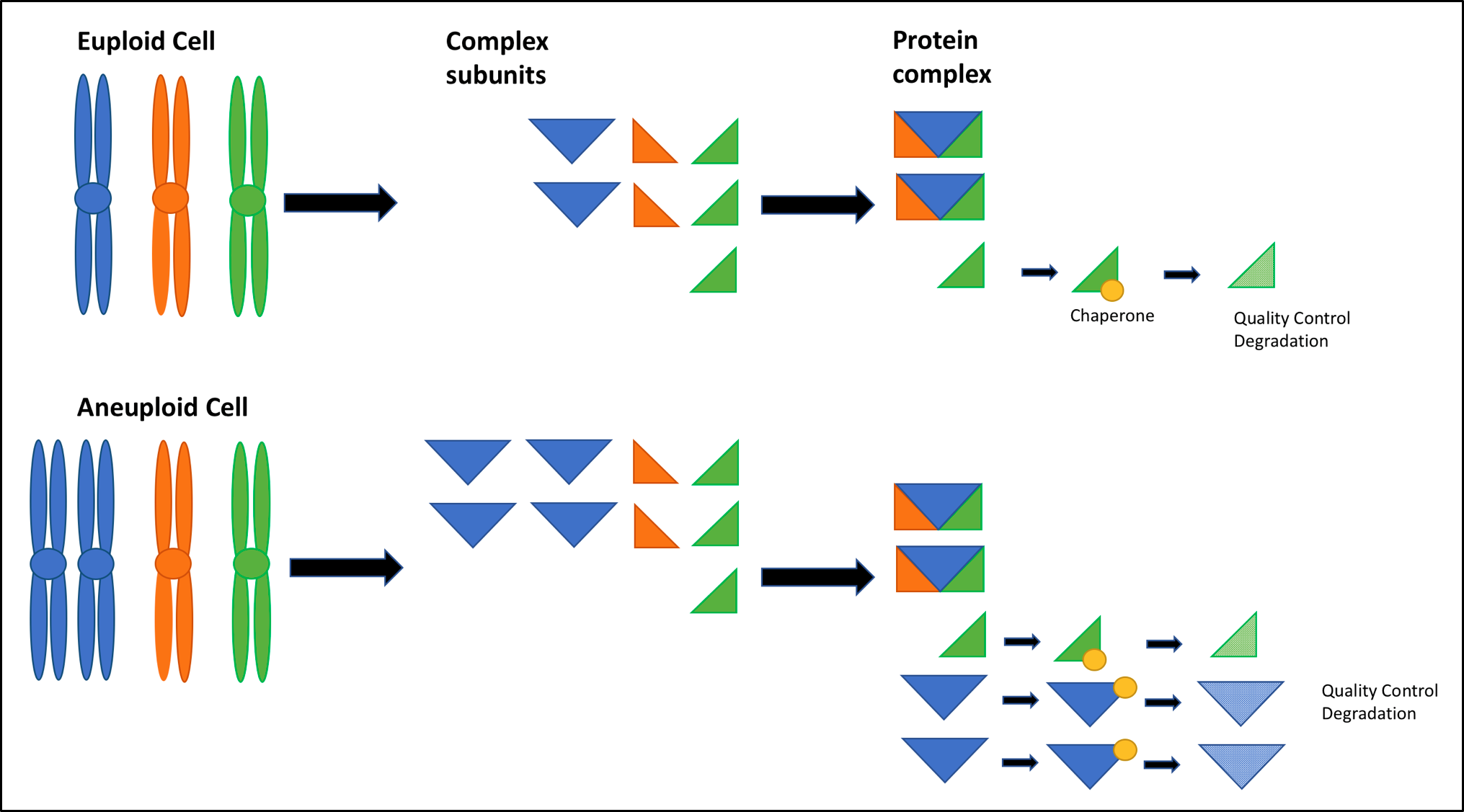
The diverse consequences of aneuploidy Biology Diagrams
Alzheimer's disease (AD) is a neurodegenerative disorder with a complex etiology and pathogenesis. Chromosome missegregation was proposed two decades ago to be responsible for neurodegeneration in AD patients. It was speculated that the aneuploidy is a result of aberrant cell cycle of neuronal proge …

A key to understanding how aneuploidy affects cell behavior is the concept of gene dosage (including those harboring DNA damage) are also subject to several other fates, such as cell-cycle delays, DNA condensation defects, inappropriate mitotic entry, senescence, and even immunological recognition and destruction (Andriani et al

Cellular Stress Associated with Aneuploidy Biology Diagrams
Here, p53-dependent cell cycle arrest would be induced after structural, rather than numerical, aneuploidy and only once a critical threshold of DNA damage is reached. Cell division errors that result in aneuploidy. Mitotic cells mis-segregate one or multiple chromosomes by (a) mutations to the spindle assembly checkpoint pathway, where aberrantly attached chromosomes do not trigger a cell cycle arrest, (b) premature loss of chromatid cohesion, where single chromatids attach to microtubules and are randomly segregated, (c) merotelic attachment, where
